Last Updated: November 10, 2026
Quick Summary
Permanent makeup safety depends on hygiene and training, because the needle breaks the skin. Choose a trained, licensed artist, confirm sealed single-use needles, and review your health history before any work begins.
- Confirm the artist's training, certifications, and state or local licensing before booking.
- Ask whether single-use, sterile needles are opened in front of you for every client.
- Check that the studio uses sealed supplies, sharps disposal, and disinfectants with proper contact time.
- Share your full health history, including blood thinners, supplements, and skin conditions, before treatment.
- Watch for spreading redness, fever, pus, or a rash, and contact a doctor promptly if they appear.
Table of Contents
- Permanent Makeup Safety: What to Know Before You Book
- How to Choose a Permanent Makeup Artist You Can Trust
- Permanent Makeup Hygiene Checks in the Studio
- Medical History and Medication Screening
- Who Should Not Get Permanent Makeup
- Aftercare Steps That Protect Your Results
- Booking Your Safe Permanent Makeup Consultation at Lash Box Syosset
- Frequently Asked Questions
Permanent Makeup Safety: What to Know Before You Book
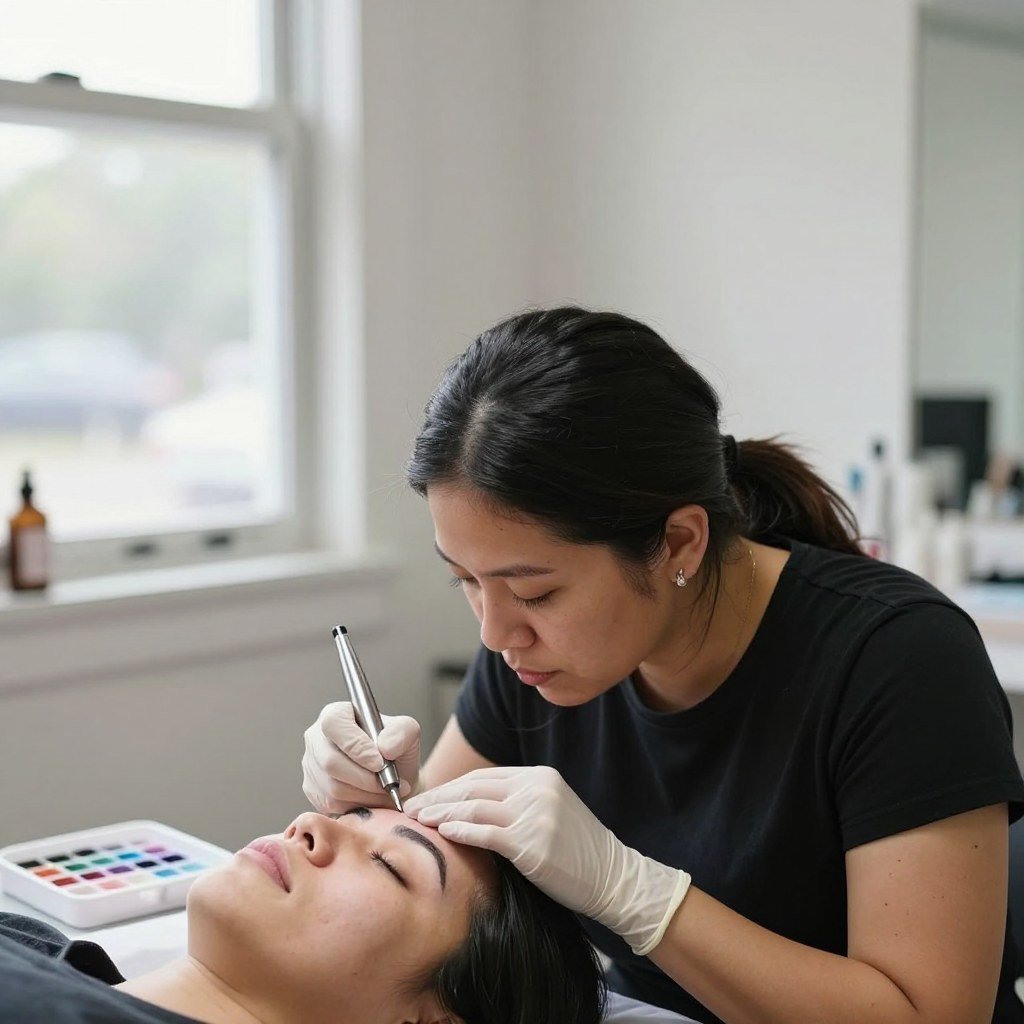
Permanent makeup is a cosmetic tattoo that puts pigment into the upper layers of the skin to create brows, eyeliner, or lip color. You can also explore our permanent makeup services in Syosset, NY to see what a careful, professional visit involves.
Permanent makeup is a cosmetic tattoo procedure, and understanding permanent makeup safety starts with knowing that it looks like a simple beauty service. The needle breaks the skin, so hygiene and training matter a lot.
Here is what matters most:
- The artist should be trained and able to explain their certification
- The studio should be clean, organized, and follow visible hygiene routines
- Single-use needles should be opened in front of you
How to Choose a Permanent Makeup Artist You Can Trust
Choosing the right artist is the biggest safety decision you will make. Look past the before-and-after photos and ask about training, licensing, and experience with your skin type.
Start with these checks:
- Training: Ask where the artist learned and whether they completed hands-on courses
- Licensing: Check your state and local rules, since requirements vary by location
- Portfolio: Look for healed results, not only fresh photos
A good artist will welcome your questions. If someone rushes you or dismisses your concerns, keep looking.
Questions to Ask at the Consultation
Use the consultation to learn how the artist works. These questions reveal a lot quickly:
- What training and certifications do you hold?
- Do you use single-use, sterile needles for every client?
- How do you handle a client with allergies or a skin condition?
Notice how the artist answers. Clear, calm answers are a good sign.
Permanent Makeup Hygiene Checks in the Studio
Before your appointment, look around the studio. Clean spaces and clear routines are a sign of a careful artist. The best way to judge hygiene is to translate general safety advice into things you can actually see, ask about, and verify.
A Practical Studio Audit Checklist
Use this as a walk-through checklist during your consultation or before your session begins. You do not need to be an inspector to notice these details.
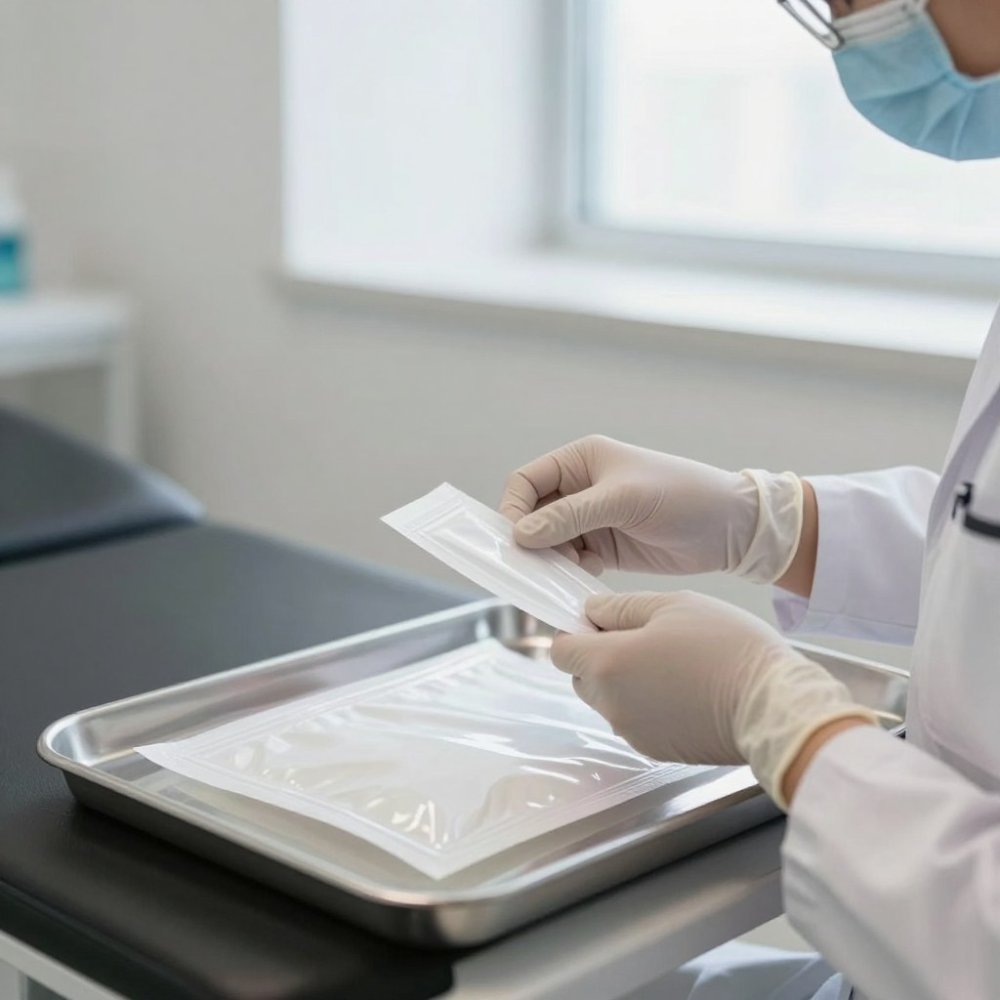
- Sealed single-use supplies: Needles, cartridges, pigment cups, and tubes should come out of sealed packaging in front of you. If a tool that touches skin is already open or unwrapped when you arrive, ask why.
- Hand hygiene: The artist should wash hands and change gloves between clients and after touching anything outside the treatment field, such as a phone, door handle, or drawer.
- Surface barriers: Treatment beds, trays, and machine cords are often covered with fresh plastic film or medical-grade barriers that are replaced between clients. Watch whether barriers are changed, not just wiped.
- Sharps disposal: A rigid, labeled sharps container should be visible and used immediately for needles. Needles should never be recapped by hand or dropped into a regular trash bin.
Watch out: A studio can look spotless and still skip steps you cannot see, such as glove changes or barrier replacement, so ask directly how these are handled between clients.
Verify Licensing and Inspection Status
Requirements for permanent makeup artists vary by state and local health department. Because the rules differ, the practical move is to verify rather than assume.
- Ask the artist which license or permit they hold and which agency issued it.
- Ask whether the studio is subject to routine health inspections and whether the most recent report is available.
- Check your state or local health department website for body-art or tattoo establishment requirements.
- Confirm the artist can explain their bloodborne-pathogen training, which is a common requirement for anyone performing procedures that break the skin.
A careful artist will not be offended by these questions. Clear answers, and a willingness to point you to the issuing agency, are good signs.
Pigment Traceability and Ingredient Disclosure
Pigment safety is more than a brand name on a bottle. Ask how the studio tracks what goes into your skin.
- Batch and lot records: A careful studio can connect the pigment used on you to a batch or lot number. This matters if a reaction occurs and the product needs to be traced.
- Expiration dates: Pigments and numbing products have expiration dates. Ask whether the artist checks them and discards expired product.
- Ingredient lists: Ask to see the ingredient list for any pigment or topical numbing product. This is especially important if you have known allergies or sensitive skin.
- Cross-contamination of pigment: Pigment should be dispensed into a fresh cup for each client, not dipped back into the bottle from a used cup.
Cross-contamination is one of the main infection risks in cosmetic tattooing. A studio that treats hygiene as a visible routine, and can answer questions about licensing, inspection, and pigment records, is a good sign to look for.
Medical History and Medication Screening
Your health history affects whether permanent makeup is safe for you, and it also affects how your skin heals. Be honest on your intake form, even if a detail feels unimportant. A careful artist uses that information to decide whether to proceed, delay, or ask you to get medical clearance first.
A Structured Risk-Screening Prompt
Rather than guessing whether a condition matters, use this structure to organize your own health information before your consultation. It is not medical advice; it is a way to prepare for a conversation with your artist and, when needed, your clinician.
- Bleeding and bruising risk: List blood thinners, daily aspirin, fish oil, vitamin E, ginkgo, and other supplements. These can increase bleeding and affect pigment retention.
- Healing conditions: Note diabetes, autoimmune conditions, or anything that has slowed healing for you in the past.
- Skin conditions in the treatment area: Active acne, eczema, psoriasis, cold sores, or open wounds can change the plan or mean waiting.
- Scarring history: A history of keloids or hypertrophic scarring is worth mentioning, especially for brow and lip work.
Medications, Alcohol, and Caffeine
Some medications and habits affect bleeding, swelling, and how well pigment settles.
- Blood thinners and some pain relievers can increase bleeding. Do not stop a prescribed medication on your own; ask the prescribing clinician first.
- Alcohol can thin the blood and increase bleeding, so many artists ask clients to avoid it for about 24 hours before a session.
- Caffeine can increase sensitivity and minor bleeding for some clients. A common pattern is to limit it on the day of the appointment.
- Certain supplements, including fish oil, vitamin E, and ginkgo, are often paused before procedures, but confirm with your clinician if you take them for a medical reason.
Watch out: Never stop a prescribed medication without talking to the clinician who prescribed it, even if an artist suggests pausing it.
When to Get Medical Clearance First
Some situations call for a conversation with your doctor before booking. A responsible artist will tell you when that applies rather than pushing ahead. Consider medical clearance if you take blood thinners, have poorly controlled diabetes, are immune suppressed, have a bleeding disorder, or have a history of severe allergic reactions. If you are unsure, ask your artist and your clinician the same question and compare the answers.
Expected Healing vs. Warning Signs
Knowing the difference between normal healing and a complication helps you act quickly.
Expected in the first few days:
- Mild redness, swelling, and tenderness in the treated area
- Light flaking or itching as the skin heals
- Slight unevenness in color while the pigment settles
Seek medical care promptly if you notice:
- Redness or swelling that spreads or worsens after the first few days
- Fever or chills
- Pus, foul odor, or a wound that will not close
- Severe or increasing pain
Contact your artist as well so they can document what happened and adjust aftercare. Permanent makeup is hard to undo, so caution and honest screening are worthwhile.
Who Should Not Get Permanent Makeup
Permanent makeup is not right for everyone. Some people should avoid it or delay it until a doctor agrees.
Consider waiting if you:
- Are pregnant or breastfeeding
- Have an active skin infection or open wounds in the area
- Take blood thinners without medical approval
- Have a history of poor healing or scarring
If you are unsure, talk with your doctor first. Permanent makeup is hard to undo, so caution is the better choice.
Aftercare Steps That Protect Your Results
Good aftercare helps the pigment heal evenly and lowers the risk of infection. Follow the artist's instructions closely.
Typical aftercare includes:
- Keeping the area clean and dry as directed
- Applying the recommended ointment in thin layers
- Avoiding picking, scratching, or peeling
- Staying out of sun, sweat, and swimming pools while healing
Mild redness and swelling are normal for a few days. Contact your artist or a doctor right away if you notice heavy pain, pus, spreading redness, or fever.
Good aftercare helps the pigment heal evenly. Here is a quick reference for what to expect and when to act.
| Stage | What to do | When to act |
|---|---|---|
| Keep the area clean | Keep it clean and dry as directed | Ask your artist if unsure |
| Apply ointment | Use thin layers of the recommended ointment | Follow the artist's instructions |
| Protect the area | Avoid picking, scratching, or peeling | Stop if you notice any picking |
| Limit exposure | Stay out of sun, sweat, and pools while healing | Keep this up during healing |
| Avoid triggers | Skip alcohol and heavy exercise for a few days | Resume once healing is underway |
| Normal healing | Mild redness and swelling for a few days | Expected, not a concern |
| Warning signs | Heavy pain, pus, spreading redness, or fever | Contact your artist or a doctor right away |
Booking Your Safe Permanent Makeup Consultation at Lash Box Syosset
Ready to take the next step? Learn more about permanent makeup in Syosset, NY and what the process involves.
If you are looking for a permanent makeup artist in the area, compare the options carefully and ask about training and hygiene. You can also book your visit through our online appointment system when you are ready.
For a closer look at natural-looking results, read our guide on 7 facts about natural-looking permanent makeup for seniors.
Permanent makeup should feel safe, comfortable, and well planned. Lash Box Syosset is here to help you make a confident choice. Book your appointment online to start your consultation today.
Frequently Asked Questions
How safe is permanent makeup?
Permanent makeup is generally considered safe when it is performed by a trained artist using sterile, single-use equipment in a clean setting. Because the pigment is placed into the skin, it is still a cosmetic procedure with real risks, including infection, allergic reaction and uneven healing. Ask about the artist's training, their sanitation routine and whether they screen clients for medical conditions before you commit to a treatment.
Who should not get permanent makeup?
People who are pregnant or breastfeeding, those with active skin infections, uncontrolled diabetes, bleeding disorders, or a history of keloid scarring should talk with a doctor first. Certain medications, including blood thinners, can also increase bleeding. A reputable artist will ask about your medical history and may decline the treatment if it is not a good fit for your health.
What should I ask a permanent makeup artist before booking?
Ask about their formal training, how long they have been practicing, and whether they hold the licenses required in your area. Confirm that they use single-use needles and sterile tools, and ask how they clean the treatment space. A good artist will welcome these questions and explain their patch-test and aftercare process clearly.
How do I care for permanent makeup after treatment?
Keep the treated area clean and dry for the first several days, and avoid picking at any scabs or flaking. Apply the aftercare ointment your artist recommends and avoid sun exposure, swimming and heavy sweating while the skin heals. Mild redness and tenderness are normal, but contact your artist or a doctor if you notice increasing swelling, pus, or pain.
