
Last Updated: November 1, 2026
Quick Summary
Prevent lash extension damage by choosing a light set matched to your natural lashes, avoiding rubbing and pulling, keeping oil away from the lash line, and cleaning with a lash-safe cleanser. Protect the bond during the first 24 to 48 hours. If irritation or pain appears, stop touching the area and contact your lash artist.
- Losing a few lashes daily is normal, but short, broken, or clustered missing lashes signal damage.
- Heavy or overly long extensions pull on natural lashes with every blink.
- Keep lashes dry for the first 24 to 48 hours and avoid steam and saunas.
- Use a foam or water-based lash-safe cleanser and never rub or pick at your lashes.
- Stop, don't self-remove, and contact your lash artist if irritation or swelling starts.
Table of Contents
- Why Lash Extension Damage Happens
- Choosing the Right Length and Weight for Your Natural Lashes
- Lash Extension Aftercare: The First 48 Hours and Beyond
- How to Clean Lash Extensions Without Loosening the Bond
- Daily Habits That Protect Your Natural Lashes
- Recognizing Lash Extension Allergy Symptoms and Irritation
- Booking Your Next Appointment With Lash Box Syosset
- Frequently Asked Questions
Lash extensions can look flawless for weeks, then start thinning out, breaking, or leaving your natural lashes sore and sparse. Lash extension damage often comes from everyday habits at home, not from the salon visit itself. The good news is that prevention is largely in your hands, and it takes only a few simple changes to protect your natural lashes.
Why Lash Extension Damage Happens
Lash extension damage usually comes from pressure, pulling, and moisture working against the bond. Each extension is attached to a single natural lash with a special adhesive, so anything that tugs or weakens that bond can cause problems.
Normal shedding versus extension-related damage
Your natural lashes shed on their own as part of a normal growth cycle. Losing a few lashes each day is completely normal, and extensions usually fall out with the natural lash they're attached to.
Damage looks different. Watch for these signs:
- Natural lashes that are short, thin, or broken at the base
- Lashes that are missing in clusters rather than scattered
- Redness, tenderness, or soreness along the lash line
- Extensions that fall out early, before the usual shedding period
If you notice these signs, it's time to adjust your routine and talk with your lash artist.
How extension weight and length affect natural lashes
Heavier and longer extensions put more stress on the natural lash. A set that feels heavy, pulls when you blink, or looks much longer than your natural lashes can strain the base over time.
Lighter extensions with an appropriate length are easier on your natural lashes. Your technician should match the set to the health and strength of your natural lashes.
Choosing the Right Length and Weight for Your Natural Lashes
A safe set is built around your natural lashes, not the other way around. Before your appointment, it helps to understand what your technician is actually balancing.
The mechanics: why weight and length matter
Every extension adds a small amount of weight to a single natural lash. That lash is anchored in the eyelid and grows, rests, and sheds on its own cycle. When the extension is too heavy or too long for the natural lash, the extra load pulls on the follicle every time you blink, and you blink thousands of times a day. Over weeks, that repeated strain can cause the natural lash to bend, break, or shed early.
Length matters for a similar reason. A longer extension acts like a lever, so even a light extension can create more pull at the base if it extends far beyond the natural lash tip. A suitable set keeps the extension length close to your natural lash length and matches the weight of the extension to the thickness of the natural lash it's bonded to.
What a well-matched set feels like
- You should not feel the extensions when you blink or close your eyes
- No pulling, pinching, or tenderness at the lash line
- The set should look full without looking dramatically longer than your natural lashes
- Lashes should feel balanced, not front-heavy or droopy
If a set feels heavy or pulls, say something before you leave the chair. A good technician can adjust length, weight, or curl on the spot.
A checklist for vetting your lash technician
Technician skill and salon hygiene are the biggest variables you control before the first extension goes on. Use these questions before you book:
- Ask about training. Which lash certification or training program did the technician complete, and how long have they been applying extensions?
- Ask how they choose a set. A skilled technician should ask about your natural lash health, your lifestyle, and your goals, and should be willing to start lighter if your lashes are fine or sparse.
- Ask about isolation. Each extension should be bonded to one natural lash, not clumped across several. Ask how they isolate lashes during application.
- Check the space. Look for a clean, well-lit work area, fresh bedding or towels, and tools that are cleaned between clients.
- Ask about patch tests. If you have sensitive eyes or a history of reactions, ask whether a patch test is available before a full set.
- Watch for red flags. Pressure to go longer or heavier than you're comfortable with, reused lash strips, or a rushed application are reasons to pause.
When to scale back
If your natural lashes look shorter, thinner, or sparser than usual, ask for a lighter set or a shorter length at your next appointment. Taking a short break is also reasonable if your lashes need time to recover. For a deeper look at how long a set should last, see our article on how long lash extensions last.
Lash Extension Aftercare: The First 48 Hours and Beyond
Your first two days matter a lot. The adhesive needs time to fully cure, so protect your lashes during this window.
Follow these steps after your appointment:
Book your appointment online →
- Keep lashes dry for the first 24 to 48 hours
- Avoid steam, saunas, and oily products near your eyes
- Don't rub, pick, or pull at your lashes
- Sleep on your back when possible to reduce friction
After the first two days, keep up the routine. You can find more ongoing care tips on our lash care blog. Gentle cleaning and careful handling help your extensions last longer, and they help protect the natural lashes underneath. For a deeper look at how long your extensions should last, see our article on how long lash extensions last.
How to Clean Lash Extensions Without Loosening the Bond
Cleaning is essential, but the wrong product can break down the adhesive. Use a lash-safe cleanser and keep oil away from your lash line.
Try this simple routine:
- Use a foam or water-based cleanser made for lash extensions
- Apply it with a clean spoolie or soft brush
- Gently brush through your lashes
- Rinse with lukewarm water and pat dry
Oil-based makeup removers and heavy creams can loosen the bond, so check labels before you buy. For a more complete routine, read our guide on how to ask the right questions before eyelash extensions, which covers what to ask your technician about recommended products.
Daily Habits That Protect Your Natural Lashes
Small daily habits make a big difference. Think of them as ways to remove stress from the bond.
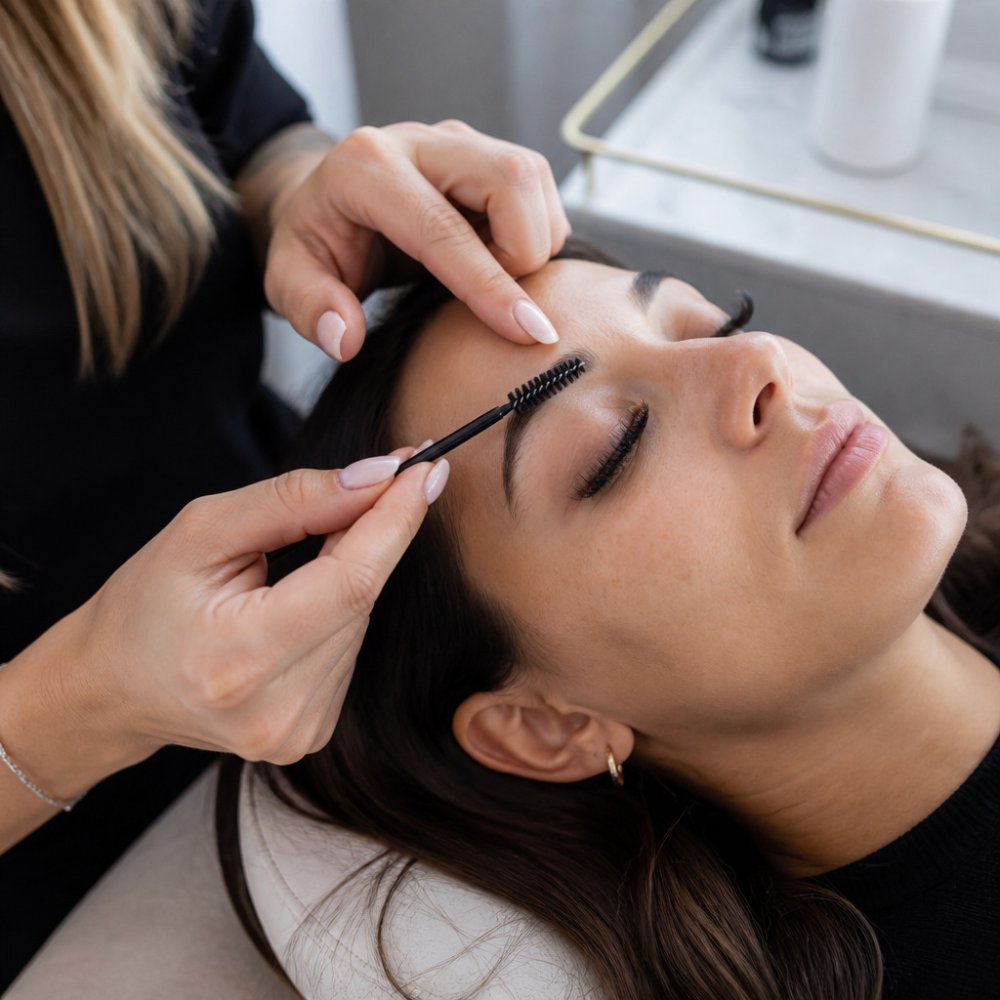
- Brush your lashes gently every morning with a clean spoolie
- Never rub your eyes, even when they itch
- Skip pulling off lashes that feel loose
- Remove mascara with a lash-safe remover, not by tugging
- Sleep on your back, or use a silk pillowcase to reduce friction
Be careful with the products you use around your eyes. Skip oil-based eye makeup and avoid heavy serums along the lash line.
Small daily habits reduce the stress on each extension bond. Here is a quick reference for what to do and avoid.
| Habit | What it protects against | Note |
|---|---|---|
| Brush gently every morning | Tangled, loose extensions | Use a clean spoolie |
| Never rub your eyes | Bond stress and natural lash loss | Even when they itch |
| Skip pulling off loose lashes | Damage to natural lashes | Let them shed naturally |
| Remove mascara with lash-safe remover | Pulling at the bond | Don't tug |
| Sleep on your back | Friction against the lashes | Or use a silk pillowcase |
| Avoid oil-based eye products | Loosened adhesive | Check labels before buying |
Recognizing Lash Extension Allergy Symptoms and Irritation
Sometimes the problem isn't the lashes at all. Irritation or an allergic reaction can cause redness, itching, swelling, or watery eyes, and what you do in the first few hours matters.
What to do right away
If you notice irritation, pain, or a reaction, take these steps in order:
- Stop touching the area. Don't rub, scratch, or pick at the lashes.
- Don't try to remove the extensions yourself. Pulling them off can damage natural lashes and irritate the eye further.
- Contact your lash artist. Describe what you're feeling and when it started. They can advise on next steps and, if needed, remove the set safely.
- Pause eye makeup and skincare near the lash line until the irritation settles.
- Seek medical care if symptoms are severe, worsening, or include eye pain, vision changes, or swelling that doesn't improve.
Common signs to watch for
- Persistent itching or burning
- Swelling around the eyes
- Redness that doesn't fade
- Watery or irritated eyes
- Any pain or discomfort that gets worse
Allergy versus irritation
A true allergic reaction tends to build over time and may appear after several appointments, while irritation can show up sooner and often relates to a product, a loose lash, or rubbing. Your lash artist can help you figure out which is more likely and whether a different adhesive or product might help.
When to take a break
If irritation keeps coming back, a break from extensions gives your eyes and lashes time to reset. Your lash artist can help you plan a return when things feel calm. For more on aftercare between appointments, see our guide on how to ask the right questions before eyelash extensions.
Booking Your Next Appointment With Lash Box Syosset
Protecting your natural lashes starts with a good technician and a plan that fits your lashes. Lash Box Syosset offers lash extension services, and our online booking system makes scheduling convenient.
When you're ready for your next visit, you can book your lash appointment online or explore our Syosset lash extensions services. Visit lashboxny.com for current services and booking details.
Frequently Asked Questions
How do I maintain my lash extensions?
Keep lashes dry for the first 24 hours, then clean them daily with a lash-safe, oil-free cleanser and a soft brush. Avoid rubbing, pulling, and sleeping face-down on your lashes. Brush them gently each morning to remove debris and keep the fibers separated. Regular fills, usually every two to three weeks, help keep weight balanced so your natural lashes are not overloaded. Book with your lash artist if anything feels loose or uncomfortable.
What does a lash extension allergy look like?
Lash extension allergy symptoms can include redness, swelling, itching, watery eyes, or a burning feeling along the lash line. Reactions are often tied to the adhesive rather than the extension itself. If symptoms appear, stop wearing extensions and contact your lash artist right away. For severe swelling, difficulty breathing, or eye pain, seek medical care promptly. Mention any past reactions before your next appointment so the technician can plan a safer adhesive choice.
Do eyelash extensions damage your natural lashes?
They can, especially when extensions are too heavy, applied incorrectly, removed by pulling, or worn continuously without breaks. Some shedding is normal because natural lashes cycle out on their own. Damage is more likely when lashes look thinner, shorter, or break at the base after removal. Choosing a lightweight set, scheduling regular fills, and taking breaks between sets can help protect natural lash health over time.
When should I take a break from lash extensions?
Consider a break if your natural lashes look sparse, feel tender, or keep breaking after removal. Many people also take a break when irritation keeps returning. A rest period of several weeks gives natural lashes time to recover and grow through their normal cycle. Use a gentle cleanser during the break and avoid mascara that requires harsh removal. Lash Box Syosset can help you plan a schedule that fits your lash health and your routine.
